
About Grief
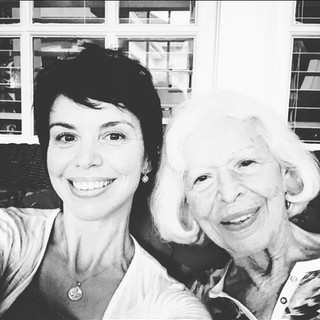
June 2022
Grief is such a complicated emotion and it is really hard to define, but I found a solid definition on the Grief Recovery Method blog (www.griefrecoverymethod.com):
Grief is the conflicting feelings caused by the end of or change in a familiar pattern of behavior.
We already know that grief is the word we use to describe the profound sadness we feel when we lose someone we love. What I like about this definition is that it encompasses the different ways we experience grief…it isn’t just experienced in death. It can also be experienced when we lose a job, a friendship, a romantic relationship, a home….our lives are peppered by losses both big and small, every day it seems. Even when we make a change that is designed to improve our lives, like deciding to fight an addiction, we grieve. We are grieving the loss of something that was part of us, and no matter how good it is for us to let it go, it is still a painful loss.
The Five Stages of Grief
The Kubler-Ross Grief Cycle, otherwise known as the Five Stages of Grief, gives us a model of how grief progresses from the initial shock of loss to acceptance.
Denial is the first stage, and it helps us to survive the loss by numbing our senses and emotions. When we receive the first shock of loss, doesn’t it seem like time stands still? We can’t connect with anyone or anything. When my Mom passed away, I remember feeling this way.
The next stage is anger. This can extend to anyone we perceive as part of the loss, including God. When my Mom passed, she suffered a lot. It was a traumatic death. I recall feeling very angry that not only did she suffer in life as she dealt with dementia, but now she couldn’t even have a peaceful death. Anger can last for a long time and can poison you if you let it. The best way to manage it is to feel it and let it out in healthy ways.
After anger comes bargaining. “If I could have one more day with my Mom, I promise I will….” You understand. We would do anything to turn back time, to ease our regrets and guilt.
Depression comes next. We have moved out of the previous stages of shock and denial, and now we face the present moment which feels very empty. Depression can last a long time and it goes well beyond sadness. It can affect our relationships, work, and physical health as well. It is vitally important to have support in all the stages of grief but to take special care with depression, as it can spiral without us even realizing it.
Finally comes acceptance. This doesn’t mean we are ok with our loss. It simply means that we have accepted that the loss is real and we begin to learn how to live with it. Things are different now, for sure. They will never be the same. But we survive it. We grow and evolve.
I have found that these stages do indeed exist, but they don’t always present neatly in this order. Many people cycle through these stages several times, sometimes backtracking back to denial and anger before settling into acceptance. No one journey is ever the same.
Growing from Pain
When you are in the depths of a loss it seems ridiculous to think that you may experience growth from the pain. As time goes on, our minds begin to replace the pain of the loss with positive experiences that remind us of the good times with our loved one or, if we have lost something detrimental to us, the positive future to come. For me, time has given me the opportunity to remember my Mom for the phenomenal human she was and to do things to keep her legacy alive. I feel her in me now- we are one, and she guides me. I no longer see her, I can’t touch her, but she lives in me still.
Collective Grief
We live in a world that has become very volatile, and it seems like every day there is a tragic story of loss on the news. When these events occur, do you notice how we tend to come together to mourn and then we rise up together to try to find solutions to prevent the loss from occurring again? Mourning as a community helps us to heal and I would say it also helps us to feel more connected to each other. Better connection means that we begin to learn to see those around us as people with lives, dreams, and hopes. Our empathy deepens and this has a ripple effect. Can we prevent senseless violence or stop someone with their mind set to inflicting pain? Not often, no. But as we come together in loss to help each other we begin to see how it would be beneficial to try to help each other every day. Eventually this will encourage positive growth as a community.
Affirmations for Grief
I always thought affirmations were nonsense. How can I say this thing I don’t even believe?? The trick to affirmations is to repeat them until you believe them! Eventually they help to rewire your thoughts and they become second-nature. I don’t know about you, but I would rather have a head full of affirming thoughts than negative thoughts!
Here are some great affirmations for grief that I found using Spirituality & Health (www.spiritualityhealth.com):
1.I allow myself to feel this fully, to be here.
2.I let go of my resistance to this situation.
3.I’ll never be the same person again, yet, that is okay.
4.I’m surrounded by support, seen and unseen.
5.I choose to heal my hurt spirit.
6.I’m not going to hold back.
7.I can still see the love in the world.
8.I’m moving through grief, and on to other emotions.
9.I can hold onto the love, and let go of the grief.
10.The universe lifts me, supports me, guides me.
11.I can accept help when it’s offered.
12.Today, I choose to heal.
13.I can pay tribute by living my own life in a beautiful way.
14.I’m so grateful our paths crossed.
15.I am gentle with myself as I heal.
16.I focus on my blessings, goals and memories
A Way Forward
Grief is different for everyone, and we will all find our way in the time that is right for us and in ways that are most supportive to our own healing needs. In my experience, healing from grief took a long time because I didn’t allow myself to feel the feelings. My suggestions to you are:
1)No matter how much it hurts, FEEL the feelings. They will pass, I promise.
2)Reach out. No matter how hard it seems to connect when you are deep in grief, it is important to make contact and ask for help when you need it.
3)Take one minute at a time. Whatever you are struggling with today, I ask you to give it one more minute. Feel it for one minute longer, and then reevaluate the next minute. In that minute close your eyes and listen for that still, small voice. That is YOU. YOU are in there, waiting to return and blossom. In that minute, think of a person you know, or love, or admire, and send them a text or an email or a call. Connect to your voice and connect with someone else. And in the next minute, do it again. Take your pain minute by minute, and keep hanging on, for one minute more.
Comments